A smarter way to think about productivity
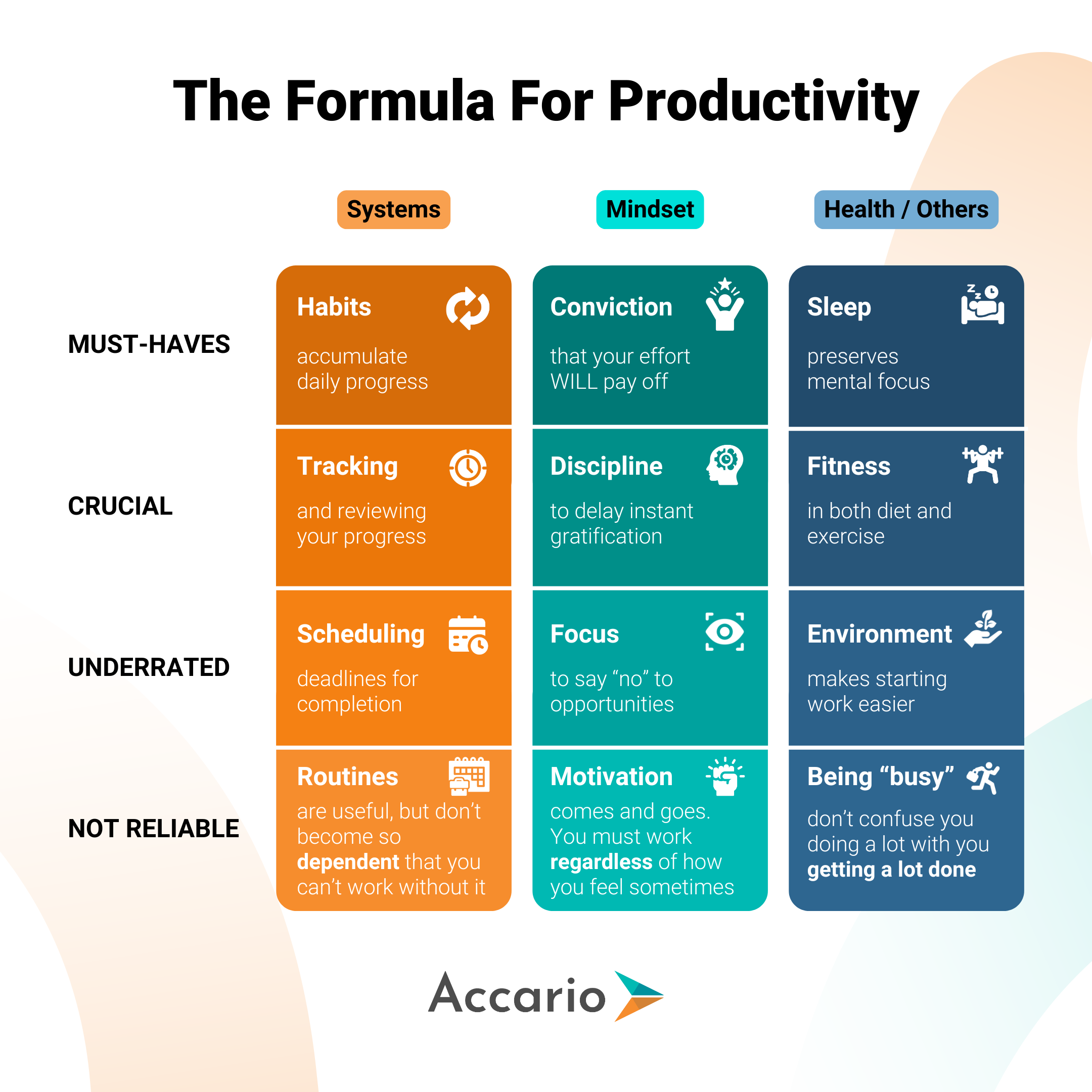
Surrounded by constant notifications, packed calendars, and hustle culture, many people misunderstand productivity. Many people work long hours, stay busy all day, and still feel like they are falling behind. The problem is not effort, it is direction. Productivity is not about doing more. It is about consistently moving the right work forward. And that … Read more


Designing finance processes that deliver speed without compromising control

Today, many finance teams operate in an environment of constant pace and high expectations. Management asks them to close periods quickly, respond to stakeholder queries promptly, and deliver insights that support real-time decision-making. Yet alongside that urgency, they also carry a deep responsibility to protect accuracy, stay compliant, and maintain strong financial controls. This situation … Read more

How franchisors maintain financial consistency at scale

As franchise networks grow, financial consistency becomes one of the biggest operational challenges. Every location operates in a different context, with other managers, customer volumes, local regulations, pricing structures, and cost pressures. But at the end of the day, the brand still needs to present a clear, consistent picture of its finances to investors, banks, … Read more

Why audit-ready finance teams rely on process discipline, not last-minute checks

In many organisations, the word “audit” still triggers a familiar pattern, long nights before deadlines, documents tracked across teams, reconciliations completed under pressure, and issues identified only when the auditor asks a difficult question. The problem is not the audit itself. The real issue is that many finance teams rely on last-minute checks rather than … Read more

How removing manual friction improves accuracy in bookkeeping and back-office delivery

In finance operations, accuracy rarely breaks down due to a single moment. It slips away through minor delays, duplicated steps, re-keyed data, unclear handovers and manual workarounds that slowly introduce risk into everyday processes. These sources of “manual friction” do not just slow teams down; they increase the likelihood of error, weaken controls and make … Read more