Understanding the Hierarchy of Financial Needs
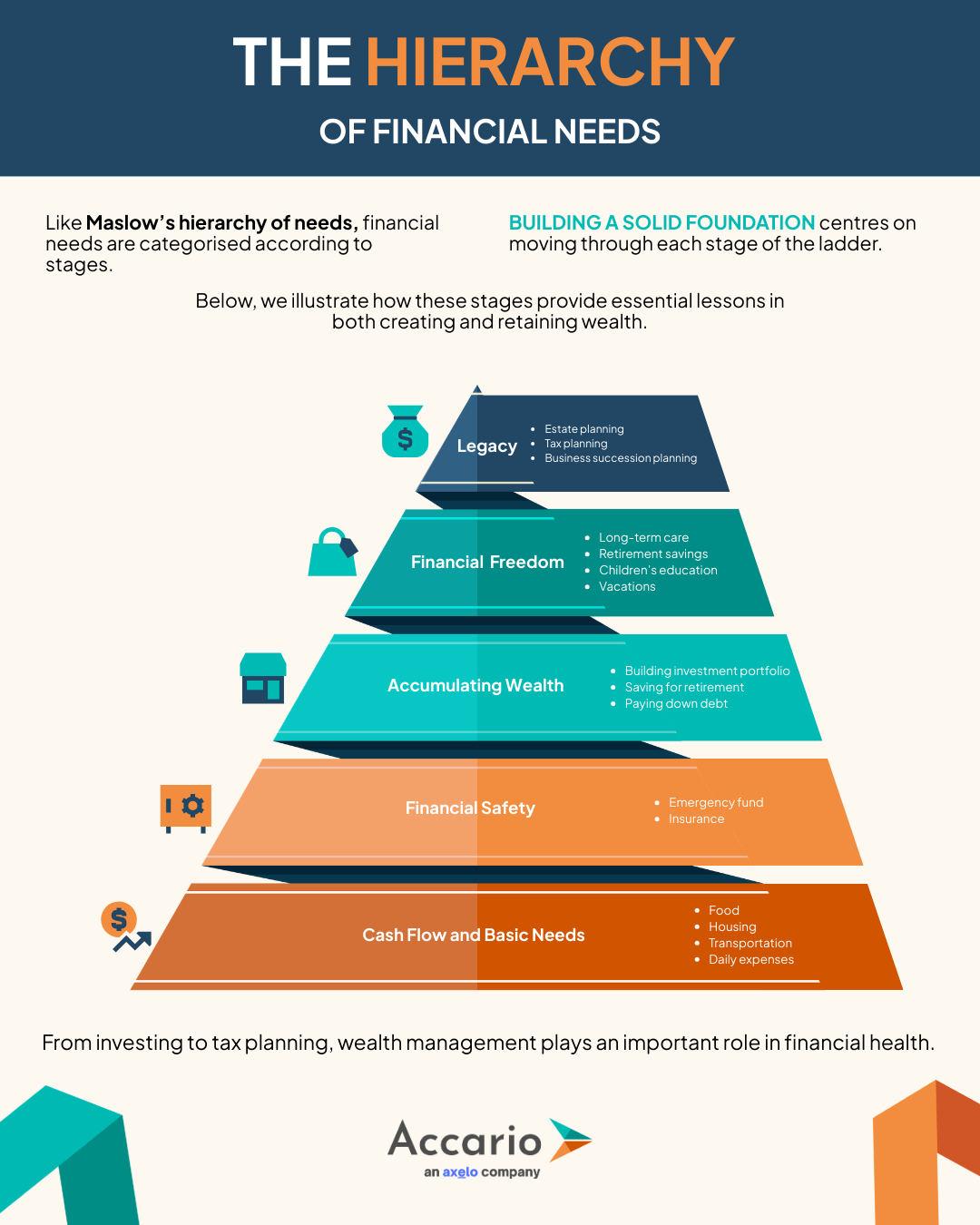
Managing money can feel confusing. Many people do not know where to start, whether to save, invest, or pay off debt first. A helpful way to think about money is through the Hierarchy of Financial Needs. This idea is similar to Maslow’s hierarchy of needs, but instead of human needs like food or safety, it … Read more

How Robotic Process Automation (RPA) enhances payroll and accounts payable operations

Payroll and accounts payable are essential parts of every organisation’s finance function. Payroll ensures employees receive the correct pay on time. Accounts payable ensures suppliers and service providers receive payments according to agreed terms. When these processes run smoothly, the organisation operates without disruption. When they fail, the impact appears immediately. Employees lose confidence, suppliers … Read more

The benefits of tech-enabled cash flow forecasting for SMEs

Cash flow is one of the most important indicators of business health. For small and medium-sized enterprises (SMEs), understanding how money moves through the business often determines whether the company can grow, invest, or maintain stability. Many profitable businesses still struggle with cash flow management. A company may generate strong sales but still face difficulty … Read more

Cybersecurity risks in digital finance systems and how businesses can protect financial data

Digital finance systems have transformed how businesses manage financial operations. Cloud accounting platforms, automated workflows, integrated payment systems, and real-time reporting tools now help organisations process financial data faster and more efficiently. Automation reduces manual work, speeds up reporting, and allows finance teams to focus on more strategic tasks. Businesses can close their books faster, … Read more

The future of finance teams: why businesses are moving toward tech-enabled outsourcing

The role of the finance team has changed significantly, and many businesses have not adapted. CFOs do more than keep the books accurate. They explain what the numbers mean, identify risks early, and help leaders plan the next steps for the business. Board members want to clearly understand how the business is performing and whether … Read more