Why Now Is the Best Time to Start Preparing for EOFY in Australia

As the calendar inches closer to 30th June, many Australian businesses and individuals begin to turn their attention to the End of Financial Year (EOFY). However, effective EOFY preparation should not be a last-minute scramble. Starting early can provide financial, operational, and strategic advantages that set the stage for long-term success. With the new calendar … Read more


How to Avoid Common Tax Compliance Mistakes in Your Business

Tax compliance is a critical responsibility for any business. Mistakes in tax filing, record-keeping, and reporting can lead to penalties, financial strain, and even legal complications. Whether you are running a small business or managing a growing enterprise, understanding common tax pitfalls and how to avoid them can save you time, money, and stress. Here … Read more

Why clean financial data is becoming a business asset

Financial data has always played an important role in running a business. But as businesses rely more on financial information to make decisions, the quality of that information matters just as much as the numbers themselves. Revenue, expenses, payroll, invoices, payments and cash flow all help businesses understand their financial position and performance. When this … Read more

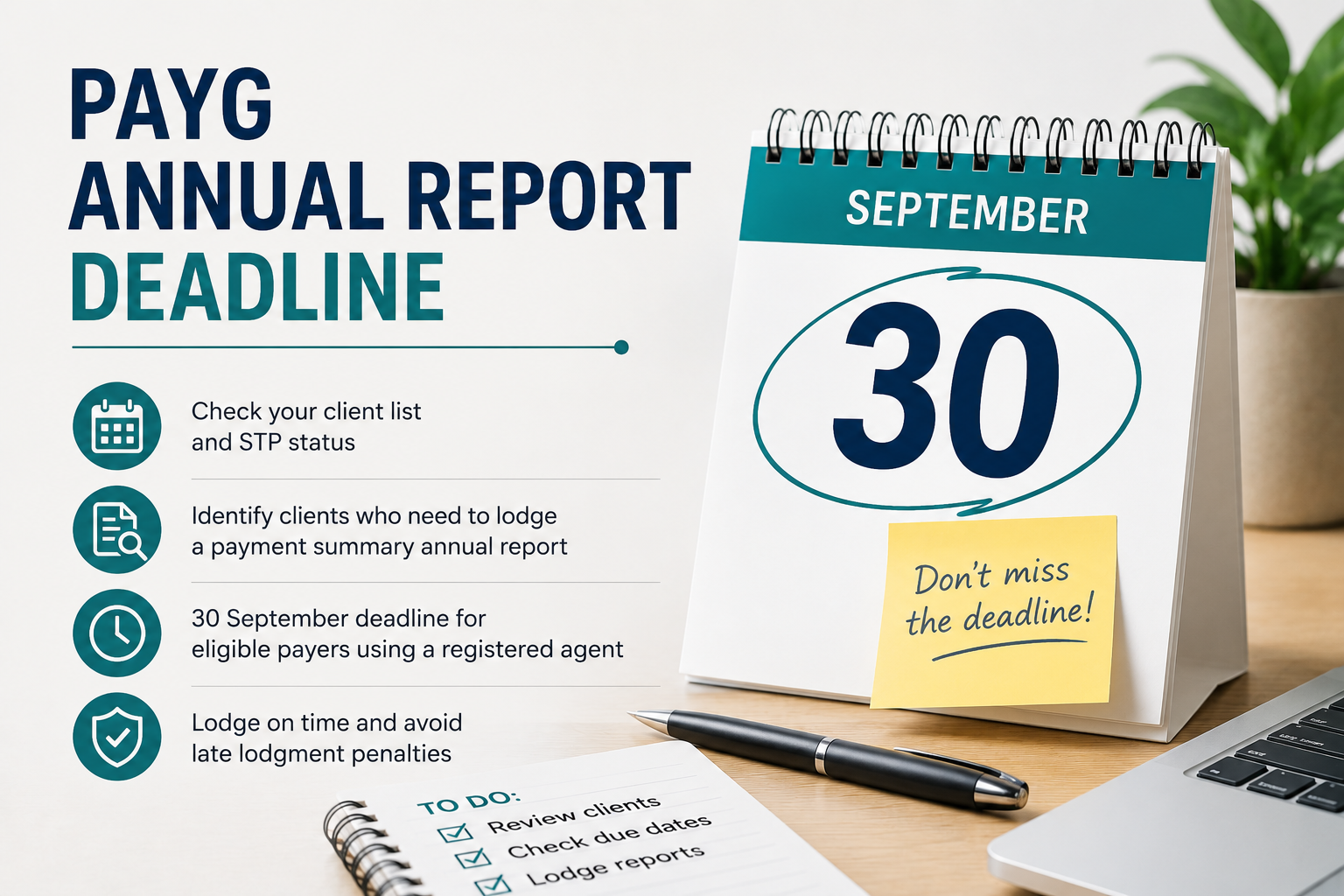
Preparing for the 30 September PAYG withholding deadline

For registered tax and BAS agents, another important compliance deadline is approaching. If you have clients who cannot report through Single Touch Payroll (STP) and need to lodge a PAYG withholding payment summary annual report, 30th September may be an important date to keep in mind. Review your client list now, identify affected clients and … Read more

Tax return checklist: What to have ready before 31 October

If you have been putting off your tax return, 31st October 2026 is a date to have on your radar. For individuals lodging their own 2025-26 tax return, 31st October is the standard lodgment deadline. It is also the final date for registered tax agents to add new clients to their client list for coverage … Read more

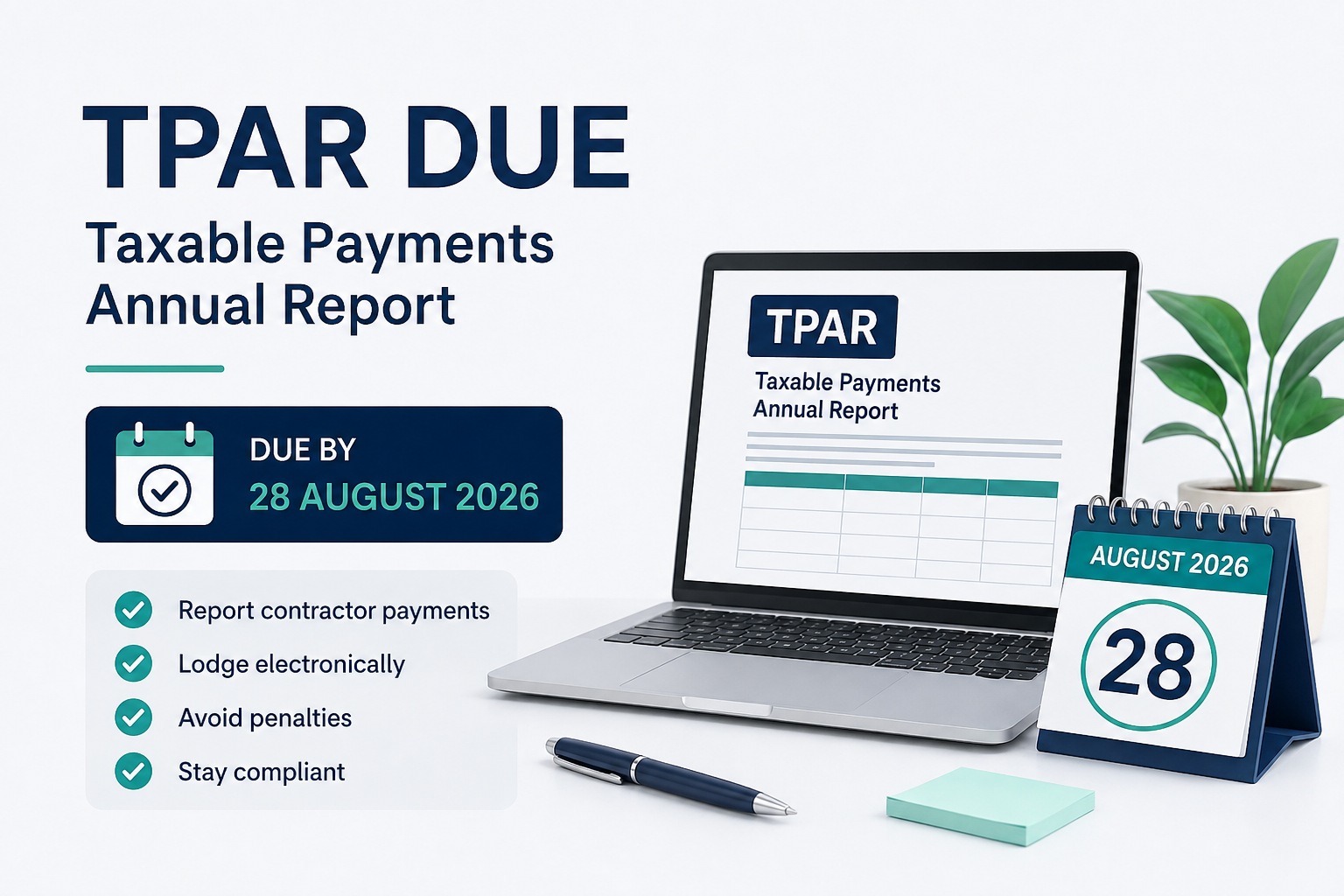
Taxable Payments Annual Report (TPAR): due 28th August 2026

If your business provides certain services and pays contractors to provide those services on your behalf, there is an important deadline coming up. The Australian Taxation Office (ATO) requires eligible businesses to lodge a Taxable Payments Annual Report (TPAR) by 28th August 2026. The report covers payments made to contractors between 1st July 2025 and … Read more

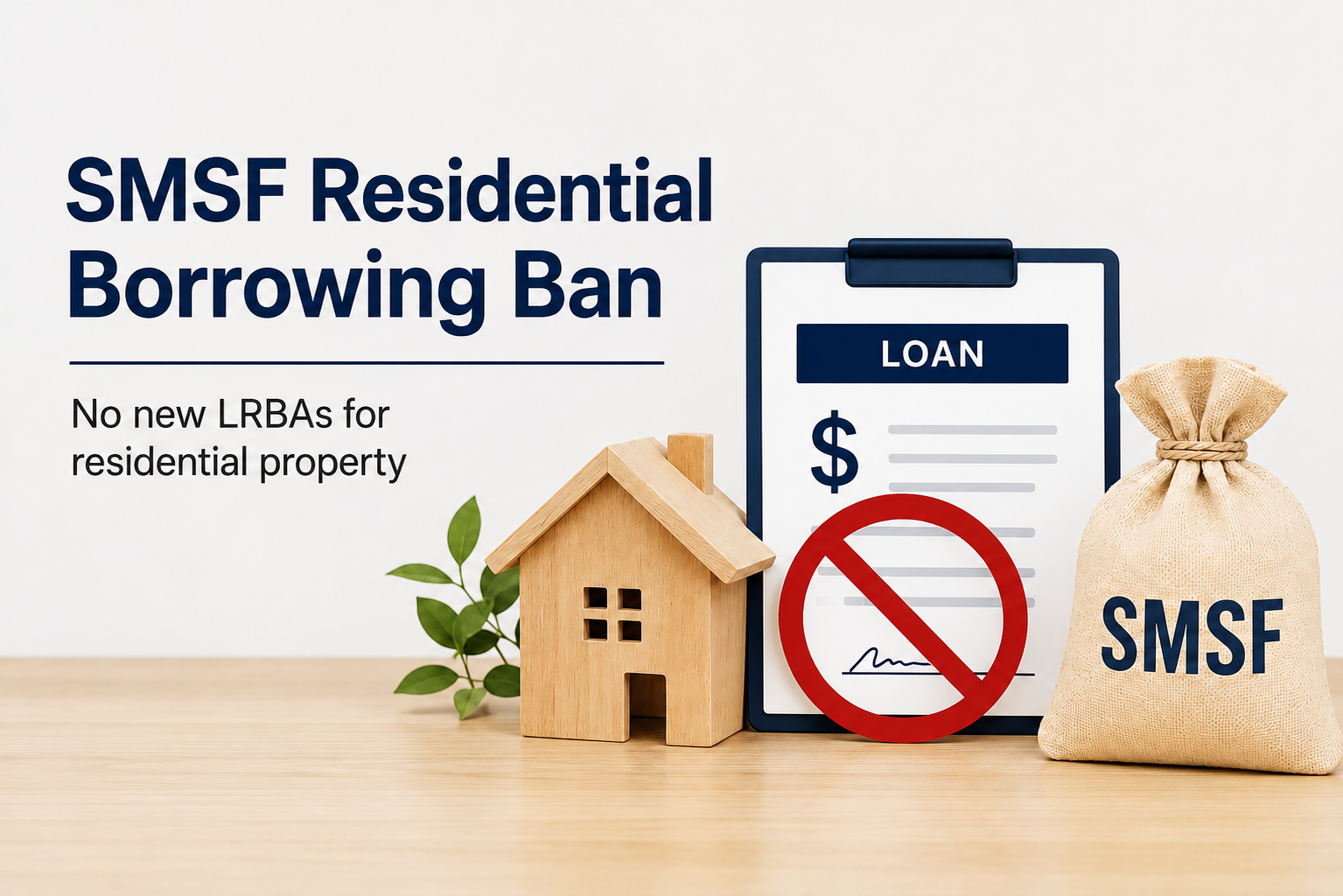
Australia’s SMSF residential property borrowing ban

On 23rd June 2026, Australia changed its superannuation rules in a major way: Self-Managed Super Funds (SMSFs) can no longer use Limited Recourse Borrowing Arrangements (LRBAs) to buy residential property. Existing arrangements remain protected under grandfathering provisions, but the reform clearly changes how SMSFs can invest in residential real estate going forward. Policymakers framed this … Read more

Start your EOFY preparation before June pressure builds

For many businesses, the end of the financial year (EOFY) does not feel gradual. It arrives all at once. June becomes a deadline-heavy month with competing priorities. Financial records need to be finalised. Compliance tasks stack up. Tax planning decisions have to be made quickly, all while daily operations continue without slowing down. When businesses … Read more

Payday Super and the end of Quarterly Super

Payday Super is not just a small compliance update. It changes the basic rhythm of employer super payments in Australia. Employers usually pay super quarterly under the current system. From 1st July 2026, employers must make super contributions in line with each pay cycle, so they reach the employee’s fund within the required timeframe, generally within … Read more

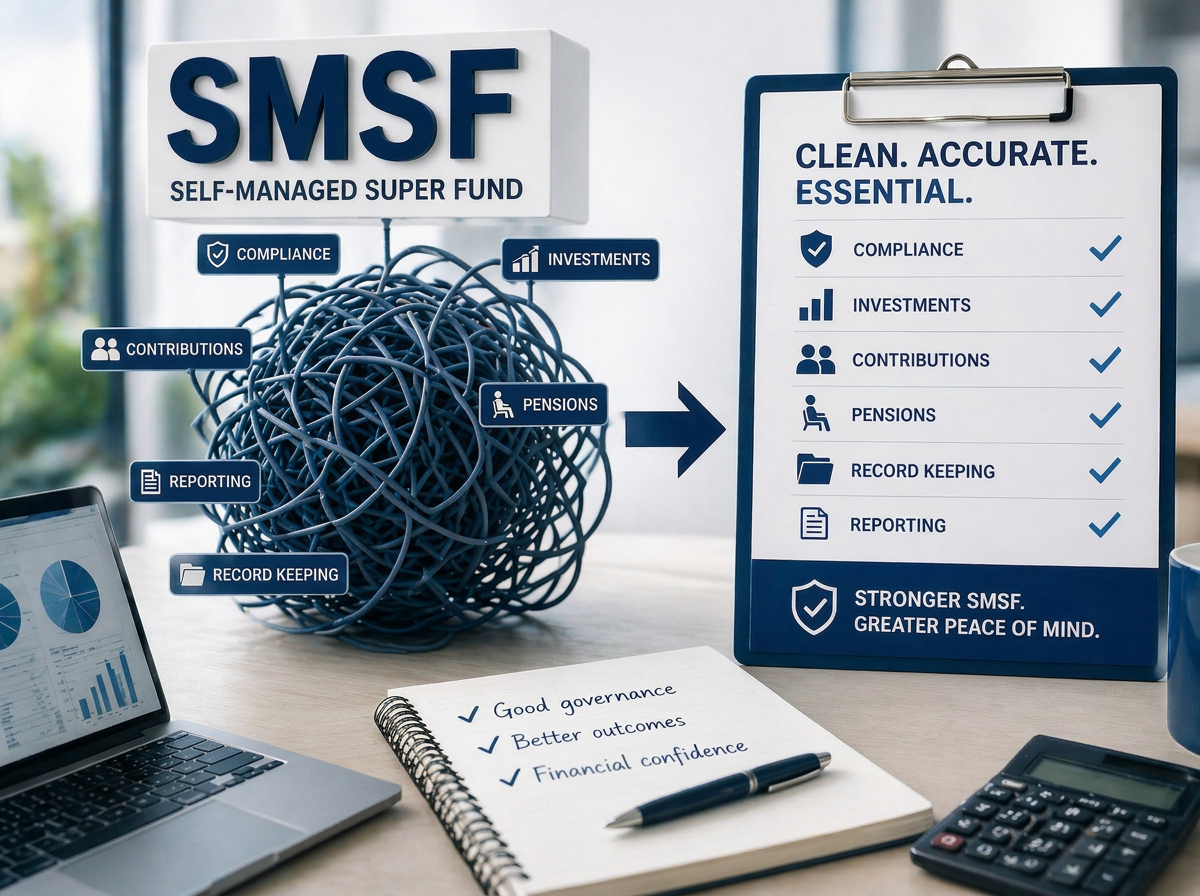
Getting SMSF administration right as complexity builds

Self-managed super funds (SMSFs) give trustees control over their retirement savings. They can choose where to invest and plan based on their own goals. Managing an SMSF is no longer just basic bookkeeping. Investment options have expanded, and compliance expectations are more detailed. This makes administration more complex, especially with digital assets like cryptocurrencies. Because … Read more