Why process improvement should come before finance automation

Finance automation can reduce manual work, speed up repetitive tasks and help finance teams handle larger volumes of work. But automation is not a fix for every finance problem. If a finance process is unclear, contains unnecessary steps or depends on repeated manual corrections, automating it does not necessarily solve the problem. It can simply … Read more


Building a finance function that does not depend on key individuals

A finance function should keep the business running, even when a key finance employee is unavailable. Yet in many growing businesses, one or two people hold most of the financial knowledge. One person may manage bookkeeping and reconciliations. Another may handle payroll and compliance. Someone else may take responsibility for month-end reporting, financial statements or … Read more

How finance outsourcing changes decision-making speed in startups

Startups make important business decisions every day, from managing cash flow and hiring employees to securing funding, setting budgets, and investing in growth. To make these decisions with confidence, finance leaders need timely and accurate financial information. When financial insights are readily available, businesses can respond more quickly to opportunities, address challenges before they escalate, … Read more

Why multi-site businesses struggle with finance complexity

Running a business across multiple locations looks like growth from the outside. More sites, more customers, and more revenue usually signal success. But behind the scenes, finance becomes harder to manage with every new location added. Processes that worked well for a single location often become difficult to maintain across multiple branches, franchises, or regions. … Read more

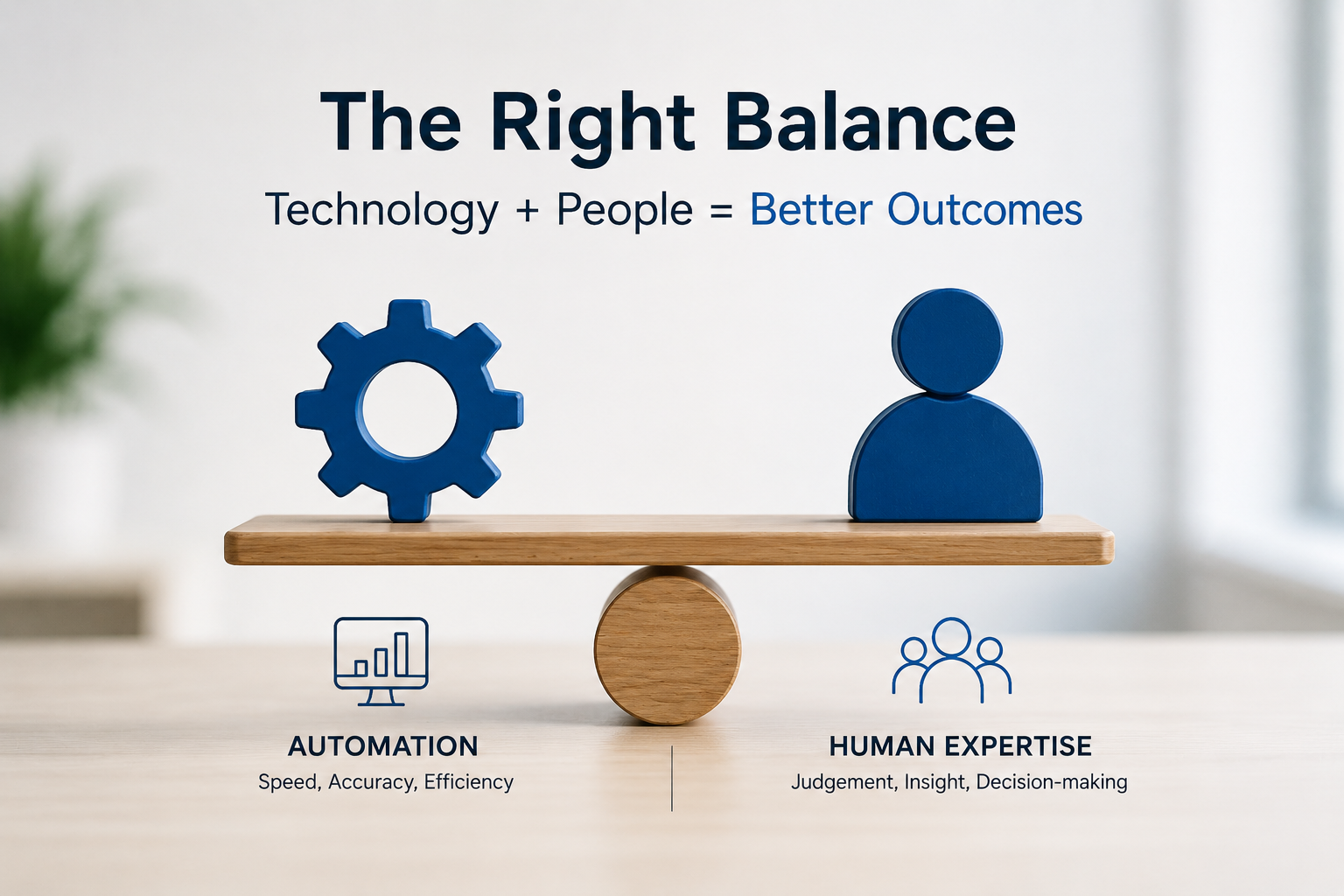
The balance between automation and human expertise in business

Businesses are under constant pressure to operate more efficiently while keeping costs under control. At the same time, workloads are increasing, compliance requirements are becoming more demanding, and customers expect faster service. Businesses often expect teams to deliver more without significantly increasing headcount. To meet these demands, many organisations are turning to automation. From finance … Read more

Start your EOFY preparation before June pressure builds

For many businesses, the end of the financial year (EOFY) does not feel gradual. It arrives all at once. June becomes a deadline-heavy month with competing priorities. Financial records need to be finalised. Compliance tasks stack up. Tax planning decisions have to be made quickly, all while daily operations continue without slowing down. When businesses … Read more

Why profitability matters more than revenue for small businesses

Many small businesses focus mainly on revenue. They track how much money comes in and use that number to measure success. When revenue grows, it feels like progress and creates the impression that the business is moving in the right direction. However, revenue alone does not show the full picture. A business can generate strong … Read more

Why structured delivery consistently outperforms traditional outsourcing models

With regulations tightening and operating costs rising, organisations are under increasing pressure to operate more efficiently while maintaining quality and control. Many firms expect leaders to reduce costs, improve performance, and scale quickly, often simultaneously. For organisations, outsourcing has long been the go-to solution. While outsourcing can provide access to specialised expertise and cost advantages, … Read more

Building resilience and continuity into finance operations

Finance leaders face constant pressure to deliver accurate reports, manage risk, meet compliance standards, control costs, and support business growth simultaneously. Yet many organisations are still trying to meet these expectations with finance systems that are fragile and overstretched. When finance operations lack resilience, even minor issues such as delayed reports, system failures, or staff … Read more

Delivering SMSF services with consistency and audit confidence

Managing a Self-Managed Super Fund (SMSF) gives Australians control over their retirement savings. But with management comes responsibility. Trustees and accounting practices must meet regulatory requirements, maintain accurate records, and meet reporting deadlines. Mistakes such as missed contributions, late reporting, or incomplete documentation can lead to penalties, compliance issues, and audit complications. For accounting firms, … Read more