A Comprehensive Guide to Financing a Startup
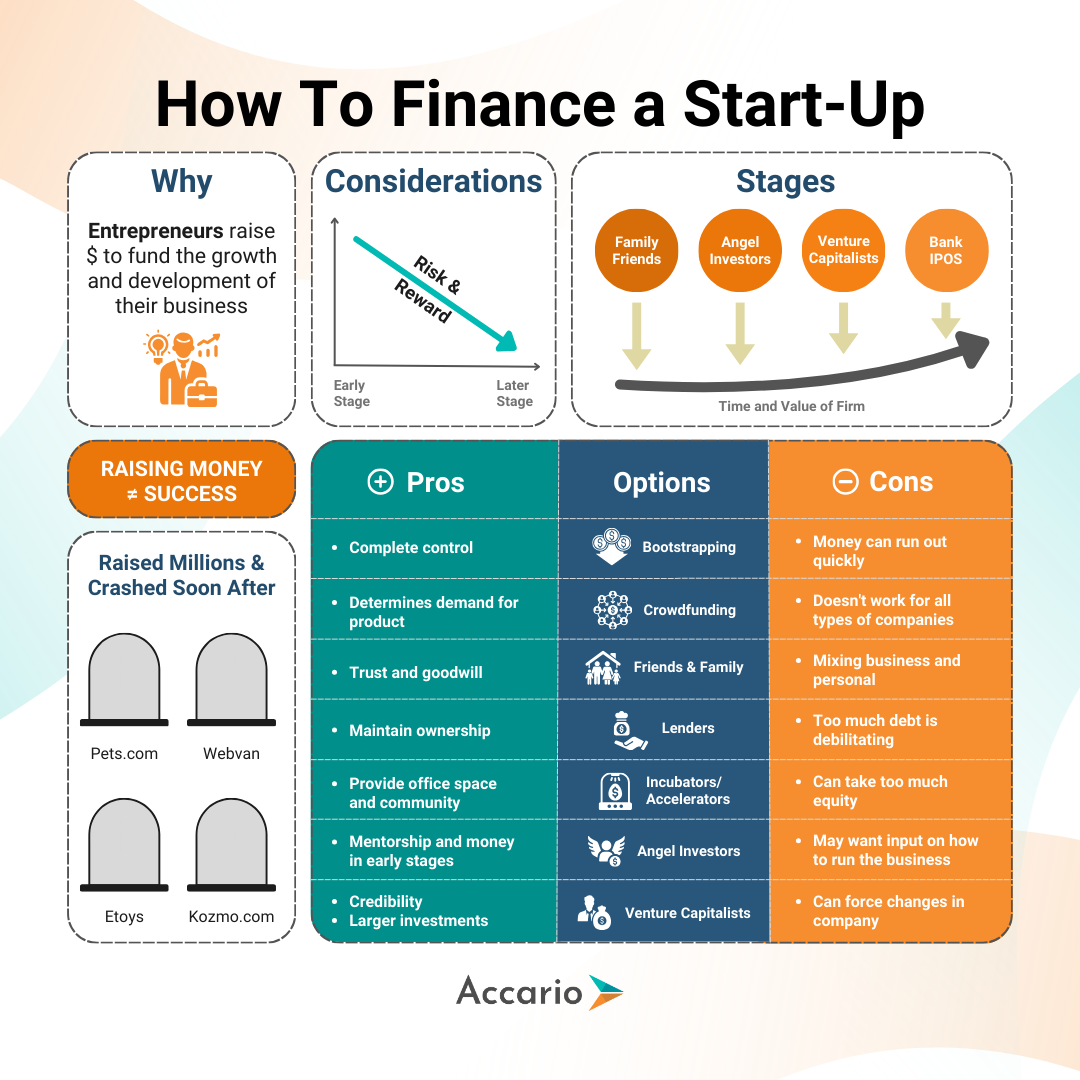
Starting a business is an exciting adventure filled with opportunities and challenges. One of the biggest hurdles entrepreneurs face is financing their start-up. Understanding how to raise money responsibly can mean the difference between failure and success. This guide breaks down the key aspects of financing a start-up, giving you insights into why funding matters, what to consider, the stages of funding, and the pros and cons of various financing options.
Why Finance Your Start-Up?
Entrepreneurs raise funds to fuel the growth and development of their business. Capital is essential for everything from product development and marketing to hiring employees and scaling operations. Without sufficient funds, even the best ideas can stall. Financing enables entrepreneurs to turn visions into reality and compete in the market.
Key Considerations Before You Seek Funding
When seeking funding, it is important to understand the balance between risk and reward. Early-stage investments often come with higher risk but offer greater potential rewards. As your business matures, the risk reduces but so may the potential returns. This dynamic shapes how investors evaluate opportunities and where you might seek financing at different stages of your company’s life.
The Stages of Start-Up Funding
Financing a start-up typically follows a progression through several stages:
- Family and Friends: Often the first source of funding, these individuals invest based on personal relationships and trust.
- Angel Investors: Wealthy individuals who provide capital in exchange for equity or convertible debt, often bringing valuable expertise.
- Venture Capitalists: Professional investment firms that fund businesses with high growth potential in exchange for equity.
- Bank IPOs: As the business matures, it may seek formal public investment through an Initial Public Offering (IPO) to raise substantial capital from the market.
Raising Money Does Not Guarantee Success
Many companies raise millions only to crash soon afterward. Examples include Pets.com, Webvan, Etoys, and Kozmo.com, businesses that attracted large investments but ultimately failed. Securing capital is just one piece of the puzzle; effective management, product-market fit, and sustainable growth strategies are equally vital.
Exploring Your Funding Options: Pros and Cons
Here are some common funding routes with their advantages and drawbacks:
Bootstrapping:
- Pros: Complete control of your company, no need to give up equity.
- Cons: Money can run out quickly, limiting growth.
Crowdfunding:
- Pros: Helps determine demand for your product and builds a community.
- Cons: Does not work for all company types and can require significant effort to campaign effectively.
Friends & Family:
- Pros: Builds trust and goodwill, often easier to secure initial funds.
- Cons: Mixing personal and business can strain relationships.
Lenders (Bank Loans):
- Pros: Maintain ownership without diluting equity.
- Cons: Too much debt can be debilitating if cash flow is unstable.
Incubators/Accelerators:
- Pros: Provide office space, mentorship, and money in early stages.
- Cons: Can take too much equity in exchange for support.
Angel Investors:
- Pros: Access to mentorship and larger investments.
- Cons: May want input on how to run the business.
Venture Capitalists:
- Pros: Provide significant capital and industry connections.
- Cons: Can force changes in company direction and culture.
Financing a start-up is a complex process that requires careful thought, strategy, and timing. Entrepreneurs must weigh the benefits and risks of each option while considering how each source of funding aligns with their business goals. By understanding the stages of funding and the pros and cons of each method, entrepreneurs can make informed decisions that set their ventures on the path to sustainable growth and success.
Follow Us


Most Popular


Are you ready
to get your time
back?
Yes! Accario will help you
focus on your business
More smarts, more efficiencies,
with more benefits.