The value of critical thinking in the workplace
Critical thinking is an important skill in both our personal and professional lives. It helps us look at information carefully, ask the right questions and make decisions based on facts rather than assumptions.
At work, critical thinking helps employees analyse situations, make informed choices and find practical solutions to problems. It also encourages people to look at situations from different perspectives instead of accepting the first answer that comes to mind.
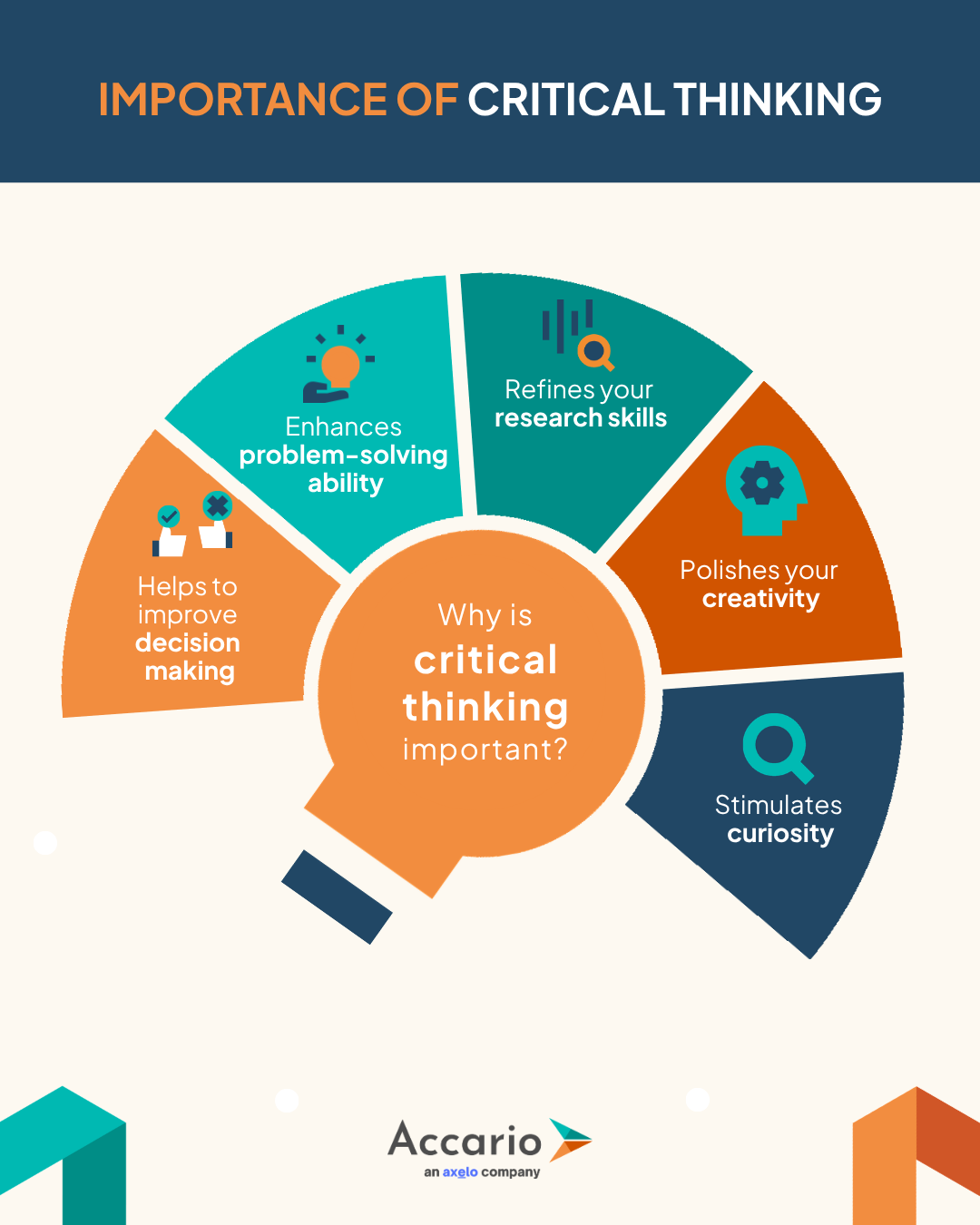
But why is critical thinking so important? Here are five key ways it can make a difference.
1. It enhances problem-solving ability
Problems are a normal part of any workplace. From meeting deadlines to managing unexpected challenges, employees often need to find solutions quickly and effectively.
Critical thinking helps people understand the real cause of a problem before trying to solve it. Instead of immediately choosing the easiest solution, they can consider different options, assess the possible outcomes and choose an approach that makes the most sense.
For example, if a project is falling behind schedule, critical thinking can help a team identify what is causing the delay. Is there a lack of resources? Is the workload too high? Are there communication issues? Looking at the problem carefully can lead to a more effective solution.
2. It helps improve decision-making
Good decisions require more than simply choosing between different options. They require an understanding of the information available and the possible consequences of each choice.
Critical thinking encourages people to consider the facts, question assumptions and look at a situation from different angles before making a decision.
This can be particularly valuable in business, where decisions can affect employees, clients, finances and long-term goals.
Rather than making decisions based on emotions, pressure or incomplete information, critical thinkers take the time to evaluate what they know and identify what they still need to understand.
3. It refines research skills
We come across information from many different sources every day. However, not all information is accurate, reliable or relevant.
Critical thinking helps people become better at researching and evaluating information. It encourages them to ask questions such as:
- Where did this information come from?
- Is the source reliable?
- Is there evidence to support the claim?
- Are there other perspectives to consider?
These questions can help people distinguish between useful information and information that may be misleading or incomplete.
Strong research skills are particularly important when employees need to prepare reports, analyse data, understand industry developments or make decisions based on external information.
4. It polishes creativity
Critical thinking and creativity may seem like two very different skills, but they can work well together.
Creativity helps people generate new ideas, while critical thinking helps them assess whether those ideas are practical and effective.
When people are encouraged to question existing processes and look at challenges from different perspectives, they may find out new ways of doing things. They can then use critical thinking to evaluate those ideas and determine which ones are worth pursuing.
This combination can support innovation and help businesses find better approaches to everyday challenges.
5. It stimulates curiosity
Curiosity encourages people to ask questions, learn new things and explore ideas beyond what they already know.
Critical thinking supports this by encouraging people to look deeper rather than simply accepting information at face value.
A curious employee may ask why a particular process is followed, whether there is a more efficient way to complete a task or what can be learned from a recent outcome. These questions can lead to better understanding and continuous improvement.
A workplace that encourages curiosity can also create an environment where employees feel comfortable asking questions and sharing different viewpoints.
Building critical thinking in the workplace
Critical thinking is not something that only certain people have. It is a skill that can be developed with practice.
Businesses can encourage critical thinking by creating an environment where employees can ask questions, discuss different perspectives and learn from mistakes. Training, collaboration and open communication can also help employees become more confident in analysing situations and making informed decisions.
It is equally important for leaders to demonstrate critical thinking in their own decision-making. When employees see leaders considering evidence, listening to different viewpoints and questioning assumptions, it can encourage them to do the same.
Critical thinking helps people move beyond simply accepting information or following familiar processes. It encourages them to question, analyse, evaluate and make informed choices.
From improving problem-solving and decision-making to strengthening research skills, creativity and curiosity, critical thinking can have a positive impact across many areas of work.
By developing this skill within your team, you can create a workplace where people are more confident in handling challenges, exploring new ideas and making thoughtful decisions.
Follow Us


Most Popular


Are you ready
to get your time
back?
Yes! Accario will help you
focus on your business
More smarts, more efficiencies,
with more benefits.